Projects

Petroleum Storage Plant Installation (Ethanol/Diesel/Petrol/ Petroleum Products)

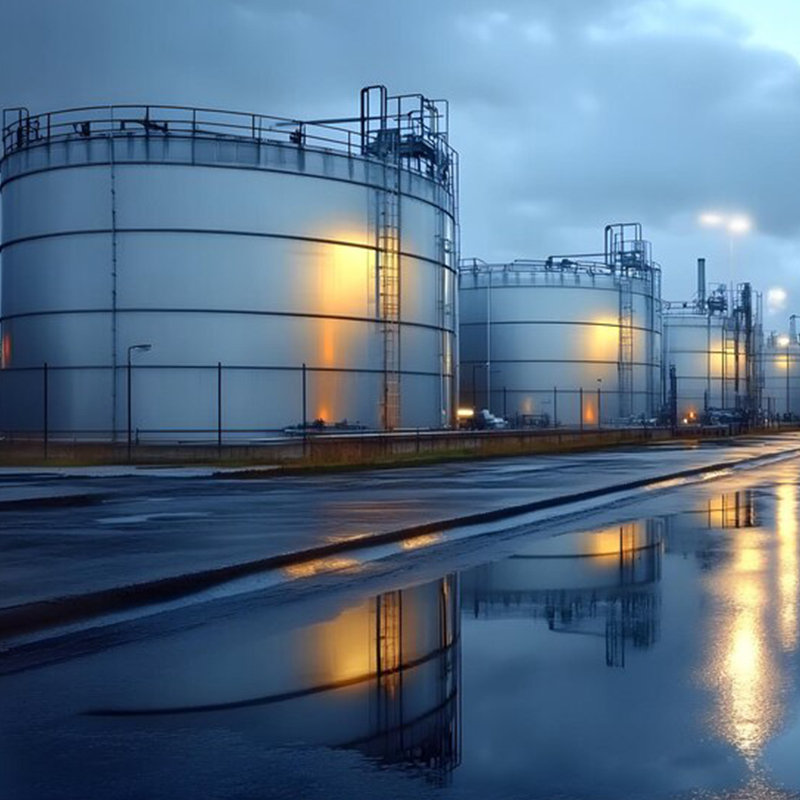
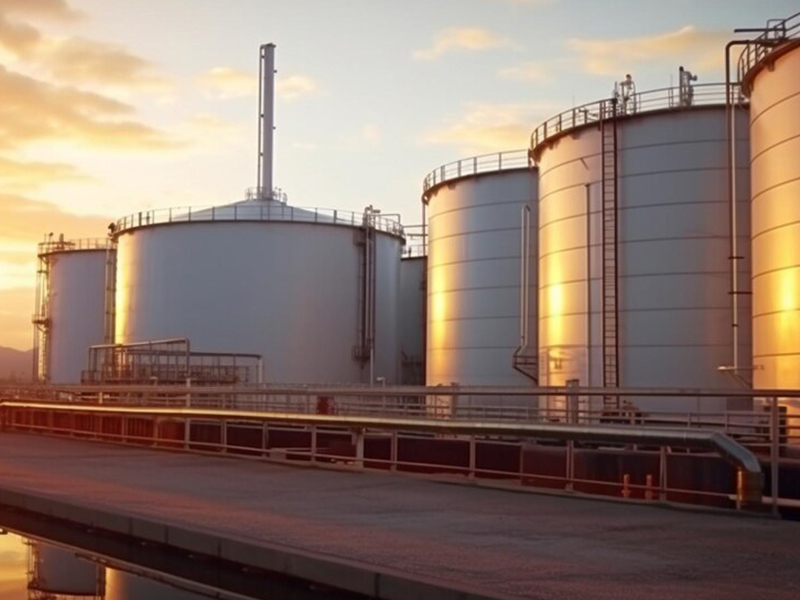
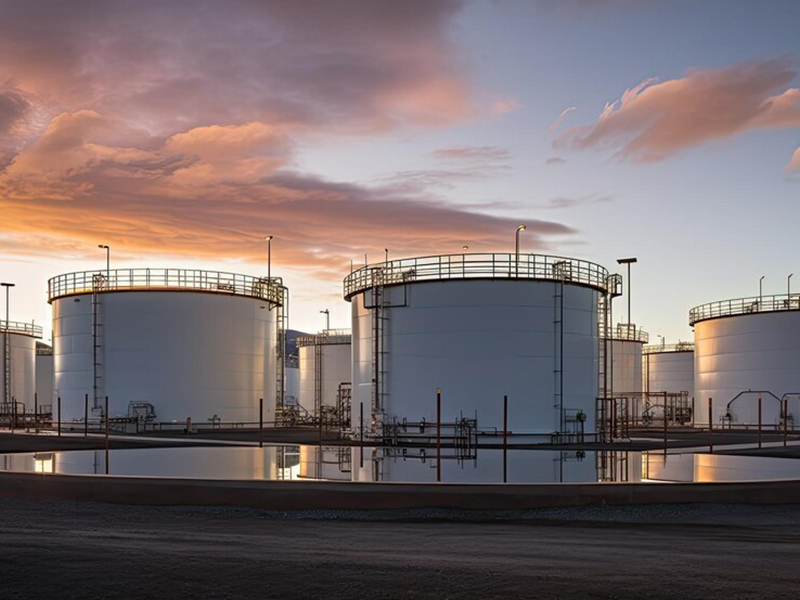
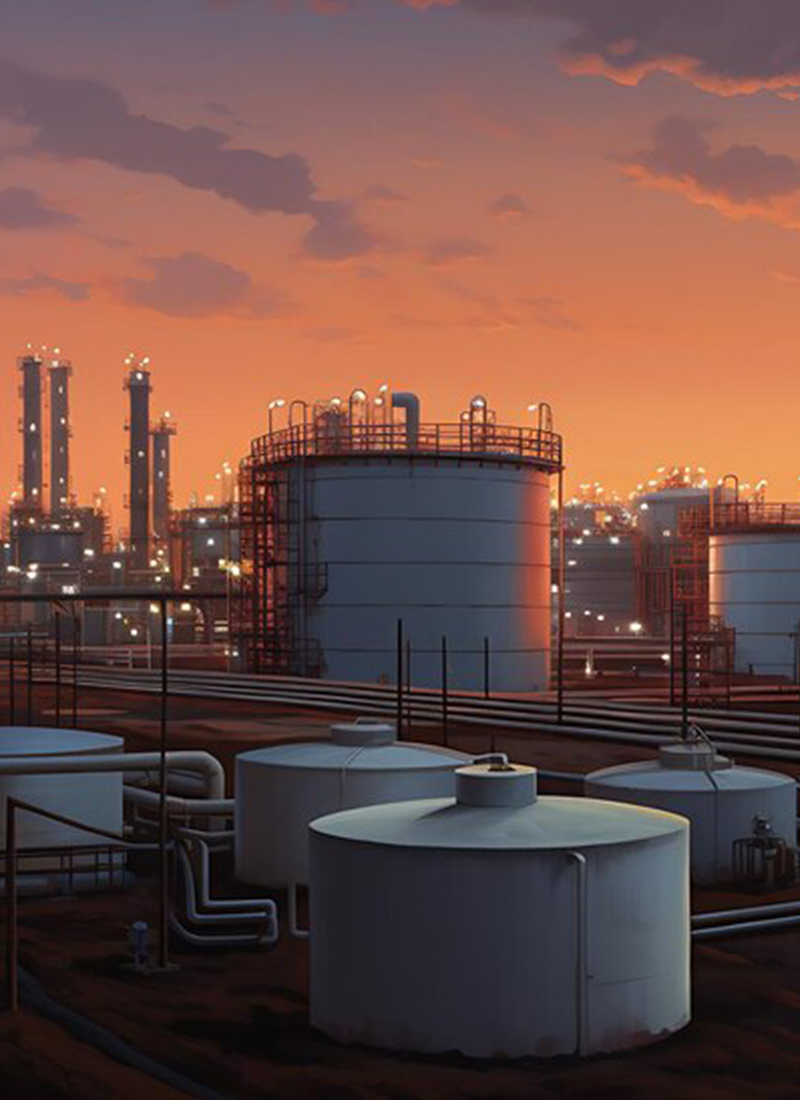
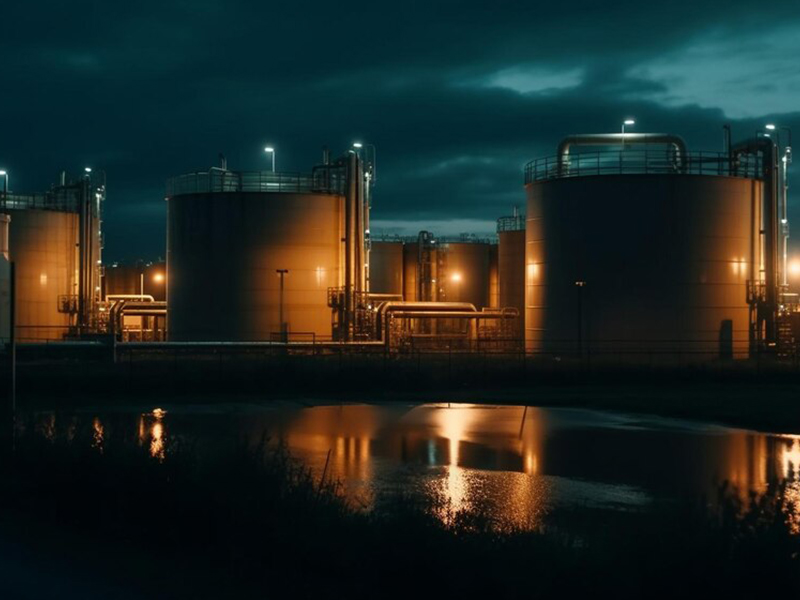
Petroleum storage refers to the process of storing crude oil, refined petroleum products, and related hydrocarbons in various facilities until they are ready to be transported, processed, or used. This storage is a crucial aspect of the petroleum supply chain, ensuring a steady supply of petroleum products despite fluctuations in production or demand.

Enquire Now

Types of Petroleum Storage Tanks:

1. Vertical Cylindrical Tanks:

  • • These are tall, cylindrical tanks often used for large-scale storage at refineries, terminals, and depots.
  • • Suitable for storing large volumes of petroleum products, including crude oil, gasoline, diesel, and other refined products.
  • Advantages: Maximizes storage capacity and is easy to construct on-site.
  • Disadvantages: Requires significant space and may need extensive foundations.

a. Fixed Roof Tanks:

  • • These are the most common type of storage tanks, characterized by a permanent, non-movable roof. The roof is attached to the tank shell, and the tank is typically cylindrical in shape.
  • • Used to store less volatile liquids like crude oil, diesel, and heavy fuel oil.
  • Advantages: Simple design, cost-effective, and suitable for various liquids.
  • Disadvantages: Can allow vapor build-up, leading to potential emissions and fire hazards.
  • • These tanks have a floating roof that sits directly on the surface of the stored liquid. The roof rises and falls with the liquid level, minimizing the space between the liquid and the roof.
  • • Commonly used for storing volatile petroleum products such as gasoline, kerosene, and jet fuel.
  • Advantages: Reduces vapor loss and minimizes the risk of fire.
  • Disadvantages: More complex design and maintenance compared to fixed roof tanks.

  • Types of Floating Roof Tanks:
  • External Floating Roof Tanks: The roof is exposed to the atmosphere, commonly used in warm climates.
  • Internal Floating Roof Tanks: The floating roof is enclosed by a fixed outer roof, providing additional protection from the elements.
  • • These are external floating roof tanks with a geodesic dome added on top. The dome protects the floating roof from environmental factors like rain, snow, and wind.
  • Uses: Ideal for storing products that require protection from external contamination while still minimizing vapor loss.
  • Advantages: Combines the benefits of floating roof tanks with additional protection from the elements.

2. Horizontal Cylindrical Tanks: (Underground or Aboveground)

  • • These are long, cylindrical tanks mounted horizontally, usually on concrete or steel supports.
  • • Typically used for small-scale storage of petroleum products at retail outlets or small industrial facilities.
  • Advantages: Easy to install, inspect, and maintain.
  • Disadvantages: Limited storage capacity compared to vertical tanks.

Importance of Petroleum Storage:
  • • Supply Management: Helps balance the supply and demand of petroleum products.
  • • Emergency Reserves: Provides a buffer in case of supply disruptions, natural disasters, or geopolitical tensions.
  • • Economic Stability: Helps stabilize prices by managing supply levels.
  • • Operational Efficiency: Refineries and distribution networks rely on storage to manage production rates and supply chains effectively.
Logo

Safety Precautions to be taken at Petroleum Storage

Petroleum storage facilities are inherently hazardous environments due to the flammable and potentially toxic nature of petroleum products. Therefore, strict safety precautions are essential to prevent accidents, protect workers, and minimize environmental impact. Below are some of the key safety precautions to be taken at petroleum storage sites:

  • Compliance with Regulations: Ensure that storage tanks and facilities are designed, constructed, and maintained according to relevant industry standards and PESO regulations, API (American Petroleum Institute) standards or NFPA (National Fire Protection Association) codes.
  • Secondary Containment Systems: Install bund walls, containment dikes, or spill containment basins around storage tanks to prevent spills from spreading and contaminating the environment.
  • Read more..
  • Fire Suppression Systems: Equip storage tanks with appropriate fire suppression systems, such as foam-based systems, sprinkler systems, Fire Extinguishers and fire hydrants.
  • Flameproof-Proof Equipment: Use flameproof-proof electrical equipment, lighting, and wiring in areas where flammable vapors may be present.
  • Static Electricity Control: Implement grounding and bonding procedures to prevent static electricity buildup, which can ignite flammable vapors.
  • Flame Arrestors: Install flame arrestors on vents and other openings to prevent external flames from igniting internal vapors.
  • Proper Ventilation: Ensure adequate ventilation in storage areas to prevent the buildup of flammable or toxic vapors.
  • Vapor Recovery Systems: Implement vapor recovery systems to capture and recycle vapors, reducing emissions and the risk of vapor explosions.
  • Routine Inspections: Conduct regular inspections of tanks, pipelines, valves, and other equipment to identify and address potential issues like corrosion, leaks, or structural weaknesses.
  • Leak Detection Systems: Install leak detection systems that provide early warnings of leaks or spills, allowing for prompt corrective action.
  • Corrosion Protection: Apply protective coatings, cathodic protection, or use corrosion-resistant materials to prevent tank and pipeline degradation.
  • Emergency Response Plan: Develop and regularly update an emergency response plan that includes procedures for fire, spills, explosions, and other emergencies.
  • Safety Training: Provide comprehensive safety training to all personnel, including safe handling procedures, emergency response, and the use of PPE.
  • Spill Prevention Measures: Implement procedures and equipment to prevent spills, such as automatic shut-off valves, overfill protection, and proper loading/unloading practices.
Trusted by Top Companies & Collaborating with Industry Leaders

Download Brochure

Reliable and end-to-end solutions for Oil, Gas & Petroleum Storage Plants